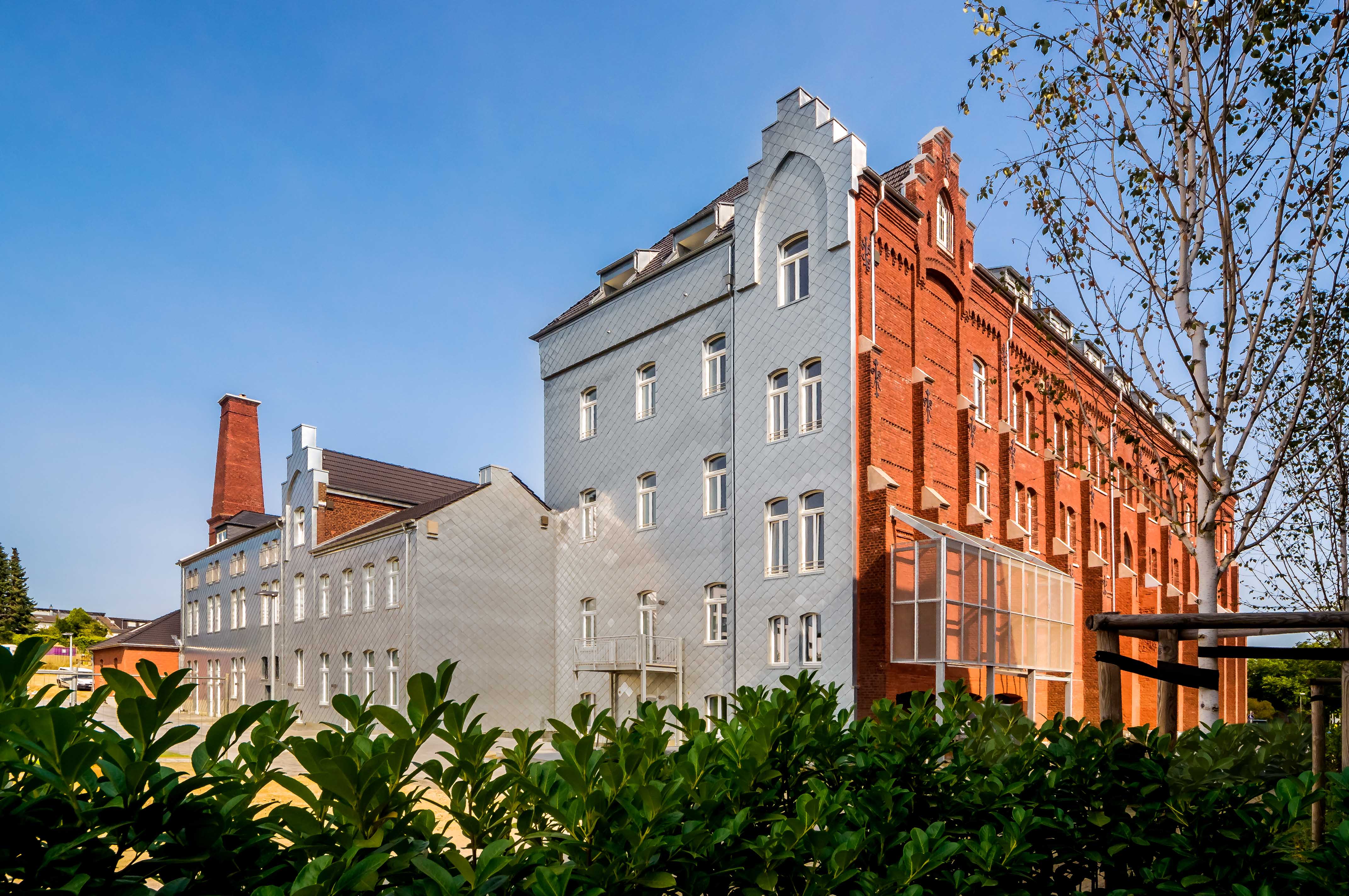
.avif)
Regiotram Aachen: The region's biggest mobility project is gaining momentum
Aachen has a mobility problem that is well-known to many who study or work here: If you don't live close to campus, you plan your day around bus connections. While bus frequency on the main routes is good, the districts north of the city – Würselen, Alsdorf, and Baesweiler – lack a fast, reliable rail connection to the city. The Regiotram is set to change exactly that. In autumn 2025, the project entered a new, decisive phase.
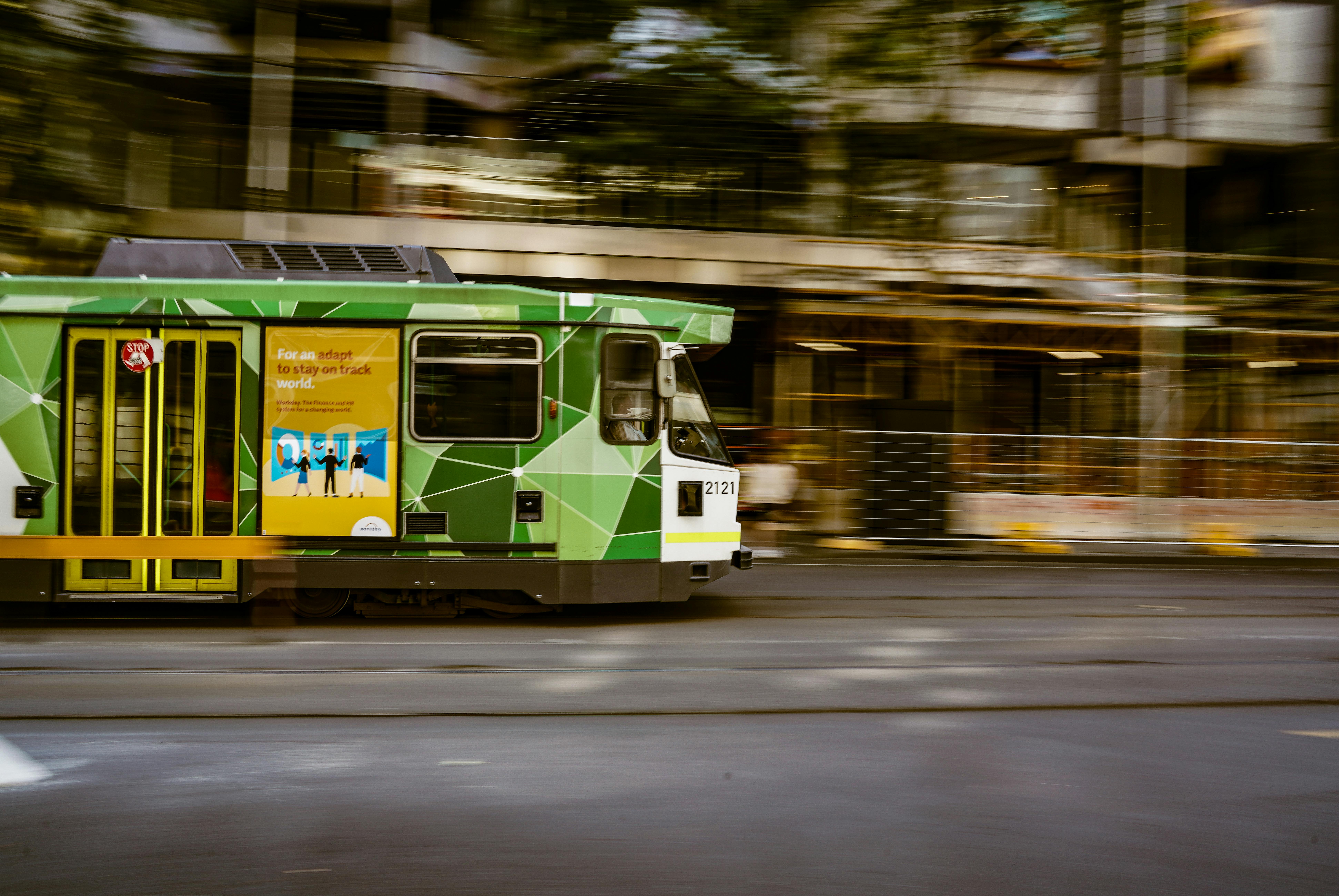
What the Regiotram is
The Regiotram is a planned tram line intended to connect Aachen with the northern municipalities of Würselen, Alsdorf, and Baesweiler. Total construction costs are estimated at approximately 330 million Euros. The project is jointly supported by the Aachener Verkehrsverbund (AVV), the go. Rheinland transport association, and the participating municipalities.
NRW Transport Minister Oliver Krischer summed up the political significance: "The Regiotram is the most important transport project for climate-neutral mobility in the Aachen region." This is not modesty, but a statement about its scale. A tram line of this project's magnitude doesn't just change individual travel times, but the structural accessibility of an entire suburban area.
What specifically happened in autumn 2025
The decisive step in autumn 2025: The federal government and the state of NRW jointly released approximately 5.5 million Euros for planning phases 1 and 2, which include basic evaluation and preliminary planning. The federal government covers 70 percent of the costs, and the state of NRW covers 20 percent through the STARK funding program. The remaining funds come from the participating municipalities.
This means the Regiotram has officially moved beyond the idea stage and entered the funded planning phase. This is a significant difference. Many large-scale municipal projects already fail at this hurdle because funding for preliminary planning is not secured. This has happened here.
On December 2, 2025, a public information market on the Regiotram took place at the Aachen Depot, attended by over 200 citizens. The route, stops, and impacts on existing infrastructure were discussed. This is an early but important step in German planning law, which mandates public participation before the actual approval process.
What's next and how long it will take
Clarity is more important than optimism here. The funds now released exclusively finance the preliminary planning. Preliminary planning is followed by detailed design, approval procedures, tendering, awarding of contracts, and construction. Each of these steps takes several years in Germany for a project of this magnitude.
AVV and the participating municipalities cite a realistic operational start in ten to fifteen years. This is not a delay, but an honest assessment for a 330-million-Euro infrastructure project under German planning law.
What this means for students and professionals today: For most students and professionals arriving in Aachen now, the Regiotram will not yet be operational during their time here. It is an urban development project with a long-term horizon, not a short-term convenience.
What already works today: the semester ticket
Anyone studying or working in Aachen now doesn't need the Regiotram to be mobile. The semester ticket covers the entire AVV local public transport network, and the Deutschlandsemesterticket extends its validity to the entire country and even across the border to Maastricht. For daily commutes to university, excursions into the surrounding area, and weekend trips across Germany, this is already a complete mobility solution today, at no extra cost.
Those living close to campus hardly need the bus for their daily student life anyway. From an address directly on Campus West, the most important RWTH destinations are reachable on foot, and for everything else, the semester ticket is available.
What the Regiotram means for urban development in the long term
Even though it's still a long way from being operational, the Regiotram is already an urban development signal today. Cities that invest in tram infrastructure typically experience revitalization in the affected areas: More people settle along the route, population density increases, and new amenities emerge.
The Regiotram route runs through the north of Aachen, specifically through districts like Würselen, Alsdorf, and Baesweiler, which are currently connected to the city center by bus. A tram would make this connection significantly faster and more reliable. Living in these districts would become more attractive in the long term, as the commute to RWTH would be shorter.
For areas close to the campus around Campus West, relatively little will change, because these areas are already well-connected today, and their proximity to RWTH is the main advantage. The best residential areas for students in Aachen will remain the same even with the Regiotram. However, pressure on campus-adjacent residential areas could decrease in the long term if the northern districts become more accessible.
Sustainability: Why the Regiotram is more than just a transportation project
Aachen is one of two German EU Mission Cities and has committed to achieving climate neutrality by 2030. In this context, the Regiotram is a strategic project: It aims to shift commuters from the northern surrounding areas from cars to public transport. Fewer cars in the city center mean fewer emissions, less traffic congestion, and more space for other uses.
Anyone in Aachen who wants to live sustainably already has a complete car-free mobility strategy today, thanks to bicycles, semester tickets, and the well-developed bus network. What the Regiotram adds in the long term is greater reliability and speed for routes where the bus currently takes up too much time.
The Regiotram is thus embedded in an urban development policy that also, in parallel, redesigns Campus West and strengthens Aachen as a whole as a science and technology hub. Both projects have a long timeframe, but both indicate the direction in which the city is developing.
What this means for housing decisions today
Anyone looking for an apartment in Aachen today makes that decision based on current infrastructure, not on a tram that will be running in ten to fifteen years. This means: Living close to campus is currently the clear advantage for RWTH students and professionals who need to be on campus daily.
A fully furnished apartment directly on Campus West, such as those offered by Gute Hirte, combines this prime location with immediate move-in without the hassle of furnishing. How the housing costs in Aachen different housing options look like and what an honest comparison reveals is explained in detail in the magazine.
Current availability: https://guterhirte-wohnen.com/apartment
Conclusion
The Regiotram Aachen project has entered its paid preliminary planning phase. The federal government and the state of North Rhine-Westphalia are funding the initial planning steps for a tram, which is intended to connect Aachen with its northern surroundings in the long term, with approximately 5.5 million euros. Operation is realistically expected in ten to fifteen years. This makes the Regiotram an important urban development project with a long-term horizon, but not a short-term solution for today's student or professional life. Anyone who lives close to campus today and uses the semester ticket is already optimally mobile.
For all questions about living in Aachen: https://guterhirte-wohnen.com/kontakt