.avif)
Is a furnished apartment cheaper than a shared flat when you include everything?
There is a sentence that you regularly hear in conversations about living in Aachen: “The furnished apartment is too expensive for me, I'd rather use a room in a shared apartment.” This sentence is usually well-intentioned, but it is based on an incomplete invoice. The monthly rental price is just one of several cost variables, and anyone who only compares this one figure without taking into account all other factors comes to a conclusion that looks consistent on paper but is often incorrect in reality. This article computes the comparison in full. With specific figures, without whitewashing either option, and with honest advice as to where the calculation depends on your own situation and does not apply to everyone as a general rule.
What a room in a shared apartment in Aachen really costs: The full bill
Let's start with the shared room, because it is the option that seems cheaper at first glance. According to current market data from IW Cologne, evaluated by Statista for 2024, the average rental price for a shared room in Aachen is around 402 EUR per month. This is moderate compared to other German university cities. By way of comparison, students pay an average of around 790 EUR in Munich, around 700 EUR in Frankfurt am Main and around 542 EUR in Hamburg. Hohen is therefore one of the cheaper university locations in Germany, which is a real advantage.
However, this average value applies to the entire Aachen market, including more favourable peripheral locations. According to current advertisements, anyone looking for a shared apartment near the campus, i.e. in the Pontviertel, around the city center or near Campus West, usually pays between 450 and 600 euros per month. This is already a different starting point than the average figure would suggest.
But the rental price is only the first item. What is added is rarely fully included.
The first additional item is furnishing. A shared room in Aachen is almost exclusively offered unfurnished. If you don't have a bed, desk, wardrobe and kitchen utensils and don't bring them from a previous apartment, you have to buy them. Realistic minimum equipment, i.e. bed with mattress, desk, chair, wardrobe and the most necessary kitchen utensils, costs around 600 to 800 EUR when purchased at a reasonable price. If you don't want to save money on a mattress because you won't sleep long on a bad mattress and that lasts for months, you quickly end up with 900 to 1,200 EUR and more.
The second additional item is the deposit. For a shared room at 450 EUR monthly cold rent, the usual deposit of two monthly rents is around 900 EUR. That money isn't gone, but it's tied up for the duration of the rental period. If you don't have it liquid, you have to conjure it up somewhere.
The third item is ancillary costs. Whether electricity, heating and Internet are included in the share price or are billed separately varies from apartment to apartment. Many WGs add ancillary costs to the rent, which increases the total monthly charge by 50 to 100 EUR. Others bill separately, which can lead to surprises if a roommate sets the heating to maximum in winter.
If you add up the first year in a shared apartment in Aachen to an assumed 480 EUR monthly rent, the result is the following picture: 5760 EUR rent over twelve months, around 900 EUR deposit, around 900 EUR basic equipment. This amounts to a total expenditure of around 7,560 EUR in the first year before any special expenses such as defective furniture, back payments on utility bills or costs for a change of roommate are added.
How much does a furnished apartment in Aachen really cost: The full bill
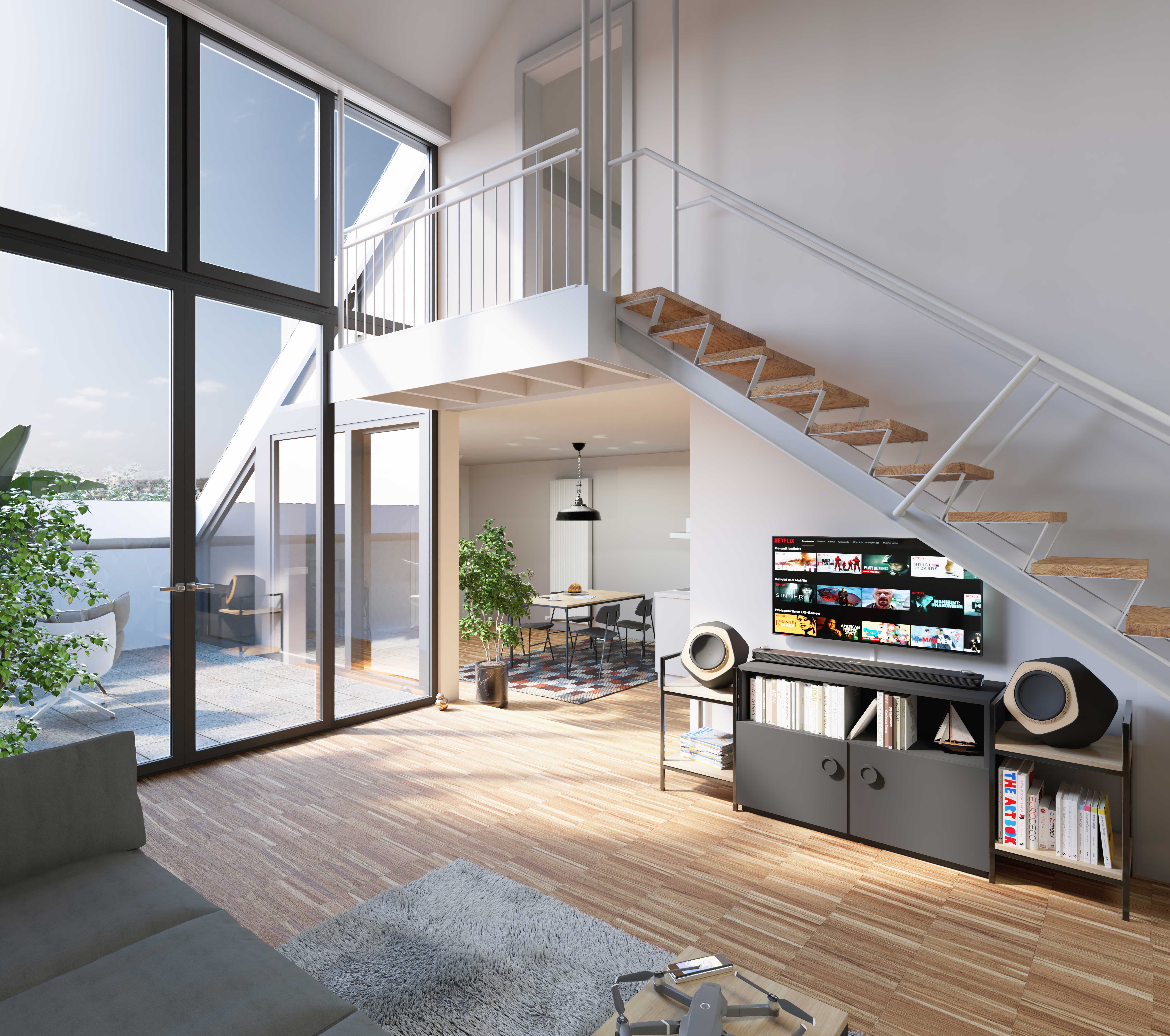
A fully furnished apartment in the segment, which is aimed at students and professionals in Aachen, usually costs between 600 and 800 EUR per month, depending on size, location and services included. At first glance, this is more expensive than a shared room. But what is included in this price is fundamentally different.
Furniture, desk, bed, kitchen and Internet are included. That means: zero euro set-up costs. The deposit is lower at many providers of furnished apartments than on the traditional rental market or is completely omitted. In many cases, ancillary costs are included in the rental price, which means full cost transparency. Right from the start, you know what you're paying on a monthly basis, without surprising annual statements.
If you add up the first year in a furnished apartment to an assumed 680 EUR monthly total rent including additional costs, the result is: 8160 EUR over twelve months, no set-up costs, low or no deposit. The actual total expenditure is therefore around 8,200 to 8,500 EUR in the first year, depending on the deposit scheme.
The difference compared to the honestly calculated flatshare scenario is therefore around 600 to 900 EUR over the entire first year. That is around 50 to 75 EUR per month, i.e. the price of around two restaurant visits. If you break this down to the original monthly comparison of 402 EUR WG versus 680 EUR apartment, you see an apparent difference of 278 EUR per month. The reality, including all actual costs, shows a difference of 50 to 75 EUR per month. That is a fundamentally different order of magnitude.
These figures are indicative and may differ depending on the specific offer and individual situation. Current conditions for a furnished apartment are best obtained directly from the respective provider.
The hidden costs that arise in living in a flat share and rarely appear in comparisons
There are a number of costs in everyday apartment sharing that do not appear in any rental price comparison, but are real and noticeable. Not all of them can be expressed in euros, but they influence the quality of life and the efficiency of time spent in the home.
The first invisible cost factor is the change of roommate. In student apartments, roommates change frequently, often every semester or every year. Each change means a new period of acclimatization, new agreements on cleaning services, shopping lists and noise levels. Anyone who lives in a furnished apartment does not have this variable.
The second invisible cost factor is sleep. That sounds like a soft variable, but it's a hard reality. If you have a roommate who comes home late at night, makes loud calls or uses the kitchen as a sociable meeting place while you have to get up early yourself, you sleep worse. Poor sleep over weeks and months costs performance, concentration and health. It is not an abstract problem.
The third invisible cost factor is time to set up and organize. A furnished apartment means: You move into it and you're done. An unfurnished shared room means buying, transporting, assembling, disposing of furniture, something doesn't fit, waiting for the bus at Ikea for two hours and finding that a box is missing. Anyone who has never done this before significantly underestimates the time required. For someone who is starting a new job or starting a new semester at the same time, this is a burden in an already stressful phase.
The fourth invisible cost factor is the cognitive load of WG coordination. Collaborative housekeeping requires permanent agreement and coordination. Who cleans what when? Who rebuys dishwashing liquid? Who left the window open? These things sound trivial, but they add up to a permanent background load that simply doesn't exist in your own apartment.
When a shared room is still the better choice
An honest analysis must also clearly state when the shared room is the more reasonable option. There are situations where this is actually the case.
If you already own your own furniture and can take it with you, you completely save on set-up costs. In this case, the overall bill changes significantly because the largest additional cost item in the shared room is omitted. Anyone who is also going to live in Aachen for the long term, i.e. two years or longer, and knows this right from the start, will travel cheaper in the long term with an unfurnished apartment because the monthly surcharge for the furnished apartment exceeds the furnishing costs over long periods of time.
Anyone who actively values and seeks the social interaction of a shared flat, i.e. really wants company and is looking forward to living together, will experience a real disadvantage in a furnished single apartment. The social dimension of a shared flat is real and valuable for people for whom it fits.
And anyone who has a very tight budget and is unable to bridge the monthly difference between a shared room and a furnished apartment even at short notice must plan realistically. In this case, despite all additional costs, the shared room is the more pragmatic choice if you can furnish the furniture cheaply with second-hand furniture.
The comparison in practice: What Aachen apartment seekers actually report
Anyone who deals more intensively with the topic in Aachen will find that the decision for a furnished apartment is often made by people who are under time pressure or who come from far away. In many cases, international students who come to Aachen without local knowledge and without furniture deliberately opt for the furnished apartment because they want to spend the first phase of settling in without the hassle of furnishing. Commuters who are in Aachen during the week appreciate the all-in solution because they are not interested in shared apartment dynamics and separate utility bills.
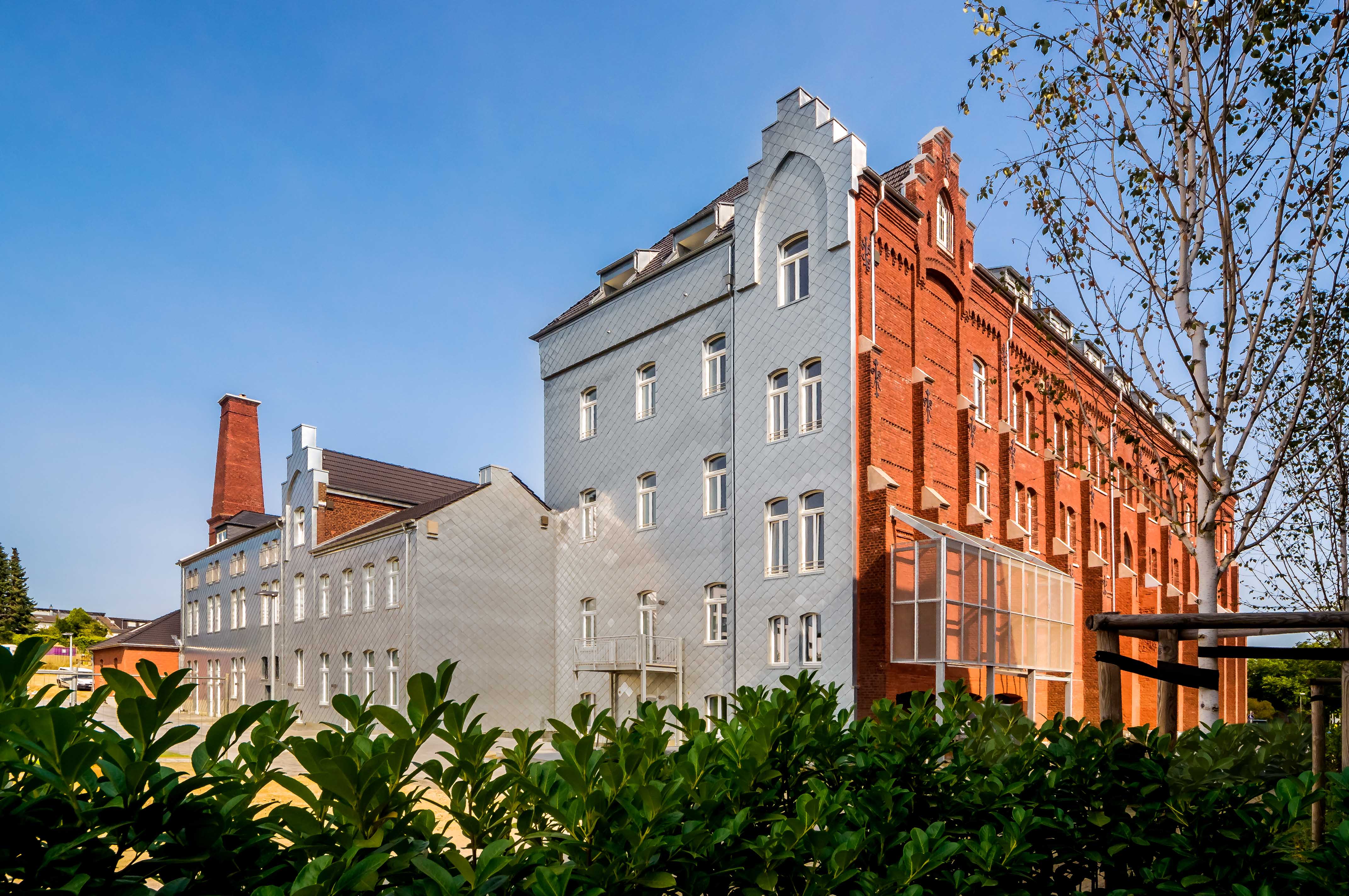
The Good Shepherd residential project on Campus West in Aachen was designed for exactly this situation. Fully furnished apartments in a location that works for students and professionals alike, with transparent rental conditions and without the usual hurdles of the German housing market. Anyone who knows the total costs and knows what a furnished apartment actually costs in a direct comparison can make a well-founded decision. More about available apartments: https://guterhirte-wohnen.com/apartment
The conclusion of the calculation: What is really cheaper
The answer to the question of whether a furnished apartment is cheaper than a shared flat is: It depends, but in significantly more situations than you think, the answer is yes, at least if you include all costs and not just compare the rent.
For someone who comes to Aachen without furniture, stays for a maximum of one to two years, prefers full privacy and has no time for furnishing and shared apartment coordination, the furnished apartment is often the cheaper, but in any case the stress-free choice. The monthly surcharge compared to a realistically calculated flatshare scenario is in many cases 50 to 100 EUR, not the 200 to 300 EUR that a simple monthly price comparison would suggest.
For someone who brings furniture, stays for the long term and appreciates living in a shared apartment, the shared room may be the better choice. But even then, you should do the math in full before you decide.
If you would like to know exactly what a furnished apartment at the Good Shepherd in Aachen costs and what is included in the price, get in touch directly: https://guterhirte-wohnen.com/kontakt